Phone: +923086449246
E-mail: info@topbizdigital.com
Address: Faisalabad, Pakistan

In today’s digital world, having a strong online presence is no longer optional, it’s essential. Whether you’re a startup, a growing brand, or an established company looking to expand online, your website plays a crucial role in your business success. And when it comes to selling products or services online, nothing is more important than investing in a well-structured, high-performing e-commerce website development process. At Top Biz Digital an IT company known for website development, digital marketing, and SEO services businesses get end-to-end e-commerce solutions that go beyond just design. It’s about creating an online store that attracts customers, drives conversions, and builds long-term brand trust.
Building an e-commerce website isn’t only about putting products online. Instead, it combines strategy, UX design, functionality, SEO, performance optimization, digital marketing, customer psychology, and technology all working together to create a seamless shopping experience. In this comprehensive guide, you’ll learn everything about e-commerce website, from planning and designing to SEO, security, mobile responsiveness, and marketing integrations. Whether you’re a beginner exploring options or a business owner ready to launch your online store, this guide will walk you through the process step-by-step in a simple, practical, and deeply insightful way.
Development of E-commerce website refers to the complete process of building an online store where businesses can showcase products, accept payments, manage orders, and provide a smooth buying experience to customers. It involves everything from UI/UX design, product structuring, checkout development, payment gateway integration, and database setup to security, SEO, and site performance optimization.
Unlike a normal website, an e-commerce platform must include:
This makes e-commerce development a specialized field, and Top Biz Digital offers these services with a focus on usability, scalability, and conversion-driven design.

In 2025, buying behavior has shifted dramatically. Customers prefer online stores over physical visits, especially when they want convenience, transparency, and speed. Here’s why businesses must invest in professional e-commerce development today:
With mobile commerce and social commerce booming, customers expect brands to be accessible online anytime and anywhere. Even small businesses are moving digital to compete effectively.
Customers trust businesses more when they see an authentic, user-friendly online store. The design, layout, speed, and overall professionalism reflect your brand identity.
Unlike physical stores, your online shop can reach customers across cities, countries, or even worldwide without renting extra space.
If customers cannot find your brand online, they’ll simply purchase from a competitor who offers convenience.
With analytics, heatmaps, customer behavior tracking, and user segmentation, businesses can make smarter decisions and optimize their marketing strategies.
This makes e-commerce website a crucial investment, not an expense, for any business aiming to thrive in 2025 and beyond.
Building an online store involves strategy, design, development, optimization, and marketing. Let’s explore the complete workflow used by agencies like Top Biz Digital to create scalable and profitable e-commerce websites.
Before writing a single line of code, the development team understands the client’s business. This includes:
For example, an apparel brand needs high-quality product images, size charts, filtering options, and color variations. Meanwhile, an electronics store might need compatibility information, warranty details, and reviews. The website must match the buyer’s expectations.
The next step is selecting the best platform based on the business size, technical requirements, and budget. Popular platforms include:
Best for small to medium businesses.
Offers ease of use, built-in apps, and seamless integrations.
Great for businesses needing customization.
Perfect for SEO-focused e-commerce stores.
Best for enterprise-level companies.
Offers advanced customization, multi-store support, and scalability.

Ideal when businesses require a fully custom solution.
Top Biz Digital often builds custom online stores for brands that need unique features, custom workflows, or advanced automation.
Design plays a huge role in how customers interact with your online store. A well-designed website increases conversions, builds trust, and improves user satisfaction.
For example, Amazon’s success partially comes from its extremely simple, user-friendly interface where customers can find products instantly.
A professional developer ensures the design is not only beautiful but also converts visitors into buyers.
This is where the actual functionality takes shape. Backend development involves:
Backend development ensures the website runs smoothly, loads fast, and handles traffic efficiently.
Every customer wants a secure and smooth payment experience. Developers integrate options like
Security is essential, and SSL certificates, encrypted transactions, and fraud prevention systems are mandatory components.
This step is crucial because product pages directly affect conversion rates. Developers ensure:
Additionally, product pages need to be optimized for search engines using relevant keywords and schema markup.

Many businesses make the mistake of not focusing on SEO after the website is built. The right approach is integrating SEO from day one.
Here’s how Top Biz Digital incorporates SEO into the development process:
This ensures that when the site goes live, it starts ranking faster and attracts organic buyers.
More than 65% of online shoppers purchase from their phones. That’s why modern e-commerce stores must be developed with a mobile-first approach.
A website that performs poorly on mobile instantly loses buyers, no matter how good the products are.
Top Biz Digital ensures stores are connected with marketing and CRM tools such as:
This helps businesses nurture leads, retarget customers, and drive repeat sales automatically.
Security is the backbone of any e-commerce store. Measures include:
After security implementation, the website undergoes rigorous testing:
Only after passing all tests does the website go live.
A great online store stands out because of its features. Here are the must-have components:
Customers leave when pages take more than 3 seconds to load.
Visuals directly influence buying decisions.
Filters, sorting options, and categories help customers find products fast.
The fewer steps in checkout, the higher the conversions.
Works perfectly on all screen sizes.
Builds trust and improves user confidence.
Boosts visibility on Google.
Adds credibility and increases conversions.
Encourage repeat visits and re-engagement.
Helps understand user behavior for future improvements.
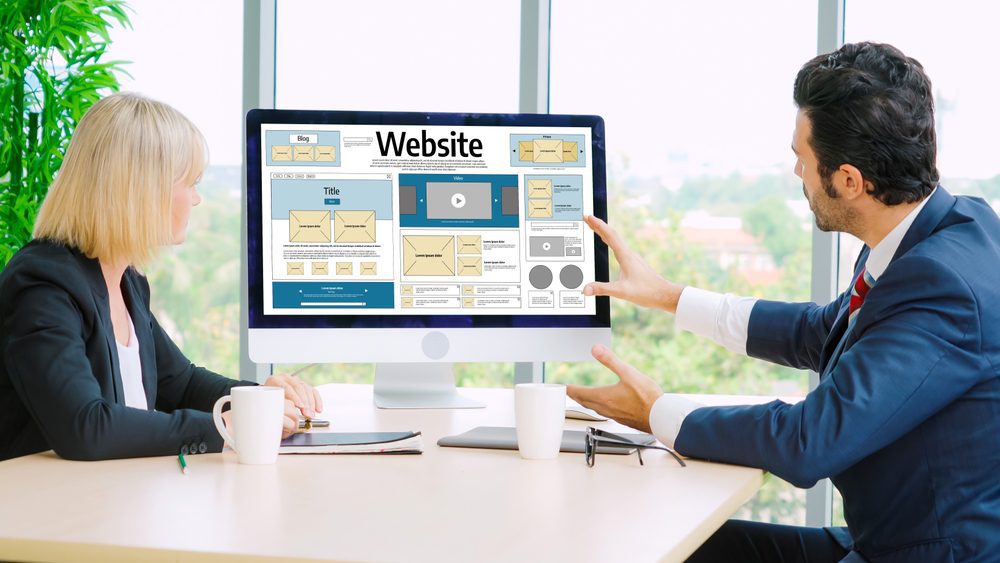
Costs vary depending on:
On average:
Top Biz Digital provides customized packages based on business needs, ensuring high value and long-term results.
Top Biz Digital stands out because of:
Tailored stores that meet the unique requirements of each brand.
Websites designed with Google ranking in mind from day one.
Developers, designers, and marketers working together.
Layouts crafted to increase sales—not just look beautiful.
Maintenance, upgrades, and performance monitoring are included.
A ready-to-scale system that grows your business.
Top Biz Digital is more than a development agency it’s a growth partner for businesses aiming to succeed in the online marketplace.
In the rapidly changing digital world, a professionally developed e-commerce store is the foundation of every successful online business. Whether you’re starting small or aiming to build a large-scale e-commerce brand, investing in expert development ensures your online presence is strong, secure, and built to grow.
With a focus on user experience, SEO, mobile responsiveness, and sales-driven design, e-commerce website development becomes the key to building a profitable online store in 2025 and beyond. And with a specialized agency like Top Biz Digital, businesses get everything they need, from strategy to launch, to succeed in the highly competitive digital landscape.
It usually takes between 2 to 8 weeks, depending on the size, features, design complexity, and platform. Custom stores take longer but provide better scalability.
Shopify is ideal for beginners, WooCommerce is best for SEO flexibility, and Magento is great for enterprise stores. Custom development is recommended for advanced needs.
SEO is crucial because it helps your store appear on Google, attract buyers organically, and increase long-term sales without heavy ad spending.
Absolutely. More than 65% of shoppers buy from their mobile phones. A mobile-friendly store improves conversions and user satisfaction.